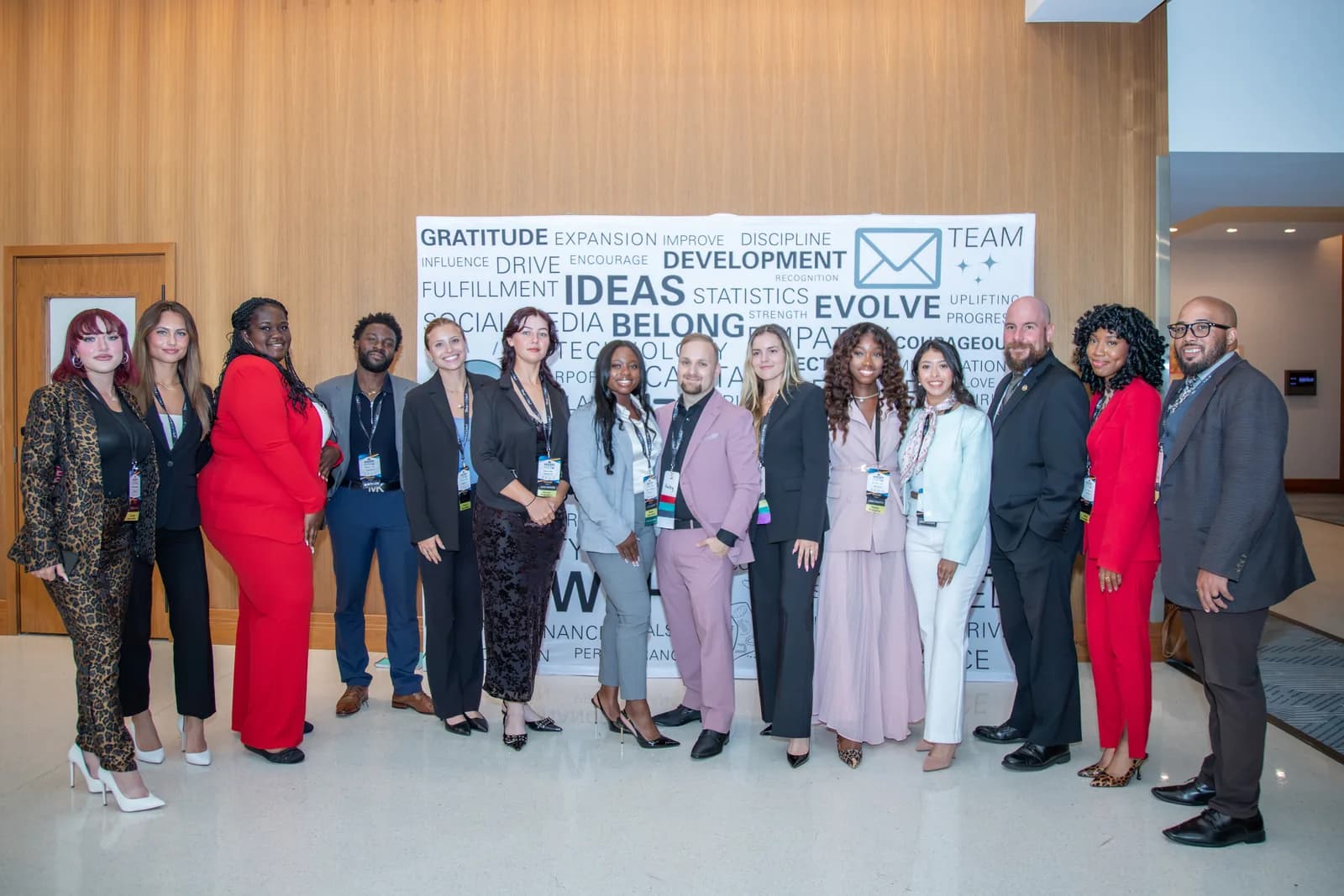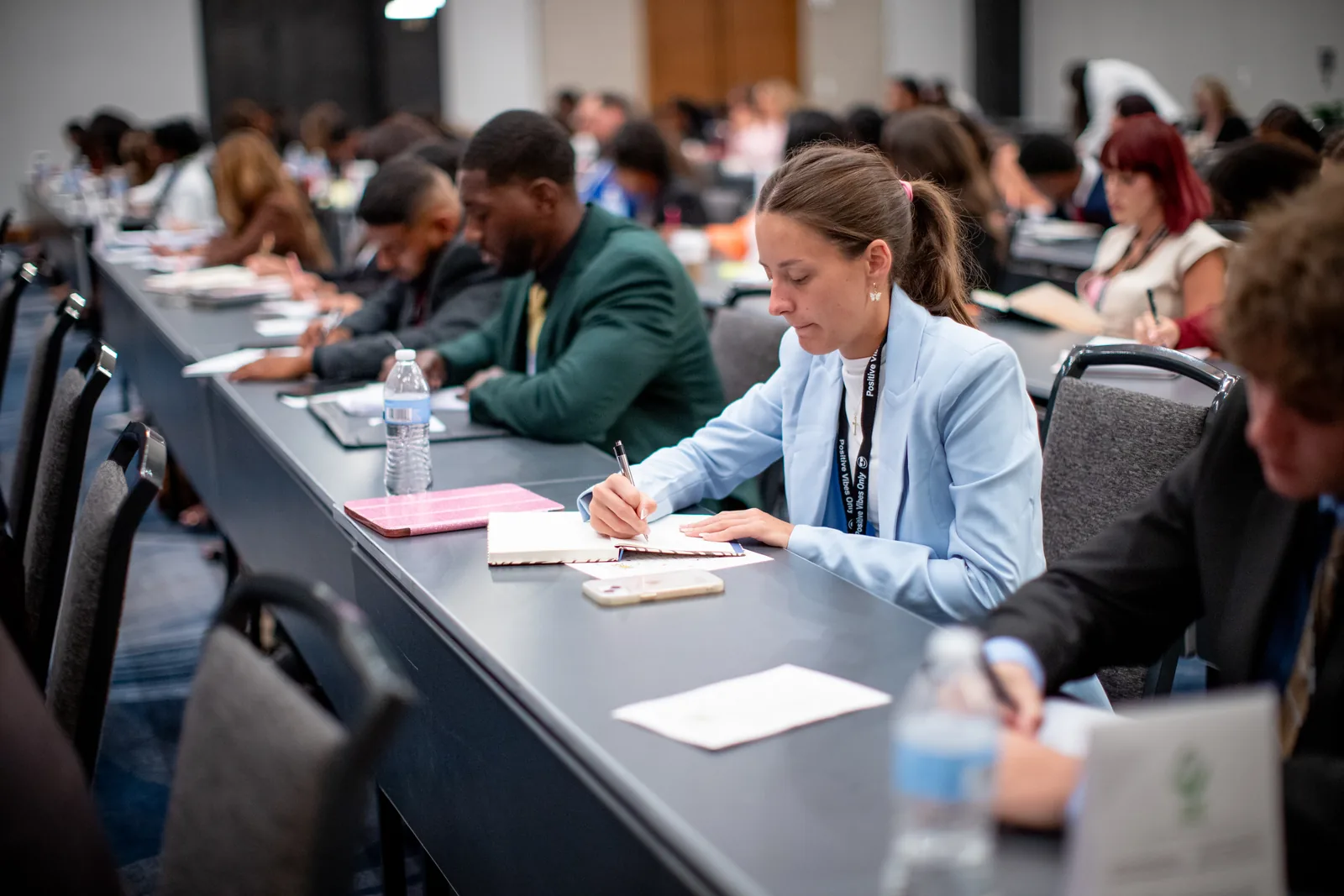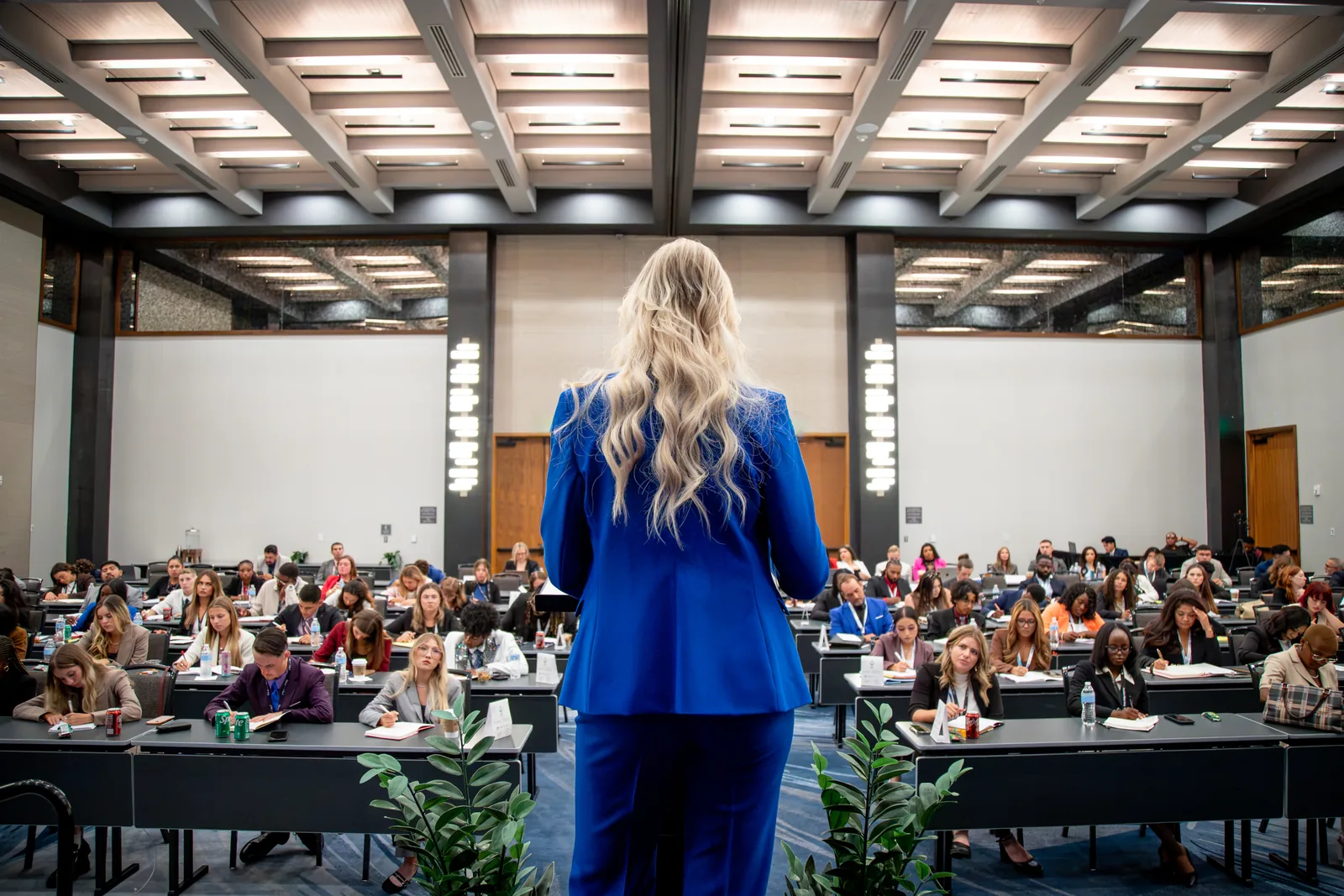
Ask a nonprofit leader about their last fundraising event and you will usually hear about the turnout, the venue, and the energy in the room. Ask what it raised after costs, and how many of those attendees ever gave again, and the conversation gets quieter. Events are the most visible thing a nonprofit does, which is exactly why it is worth being honest about what makes one work.
A working event has one job
The most common event mistake is asking one evening to do everything: raise money, thank donors, recruit volunteers, raise awareness, and celebrate the staff. An event built to do everything does all of it halfway. The events that work are built around one primary job, with everything else as a bonus. If the job is revenue, the program is built around the ask. If the job is bringing new supporters into the community, the program is built around connection and follow-up. Decide the job first, and let it make the decisions.
The guest list matters more than the venue
A beautiful venue full of the wrong people raises less than a school gym full of the right ones. The right people are the ones with a genuine connection to the cause, or a genuine connection to someone who has one. This is why the strongest events are built outward from the organization's real community, board members' networks, past donors, program families, local businesses that serve the same neighborhoods, rather than from a purchased list or a hope that the public shows up.
The ask has to be asked
More money is lost to timid programs than to small crowds. If the event's job is fundraising, someone has to stand up and make a clear, specific, confident ask, tied to something concrete the money does. Guests came expecting to be asked. A vague "consider supporting us" wastes the one moment the whole evening was built to create. The organizations that do this well rehearse the ask like it is the keynote, because it is.
The event ends; the work starts the next morning
The least glamorous trait of a working event is the follow-up plan that exists before the event happens. Every attendee should hear from the organization within days: a thank you, a result, and a next step that fits how they engaged. New attendees get an introduction to the mission. Donors get told what their gift is doing. Volunteers get a date. An event without follow-up is a bonfire, bright, warm, and gone by morning. With follow-up, it is the start of relationships that fund the mission for years.
Universal Events Inc. supports community outreach and fundraising campaigns for nonprofit partners nationwide. To learn more about our work, reach us at Corporate@theuniversalteam.com.
Universal Events, Inc.
Nonprofit consulting, fundraising counsel, and outreach.
Post 9 of 32. Back to all articles